
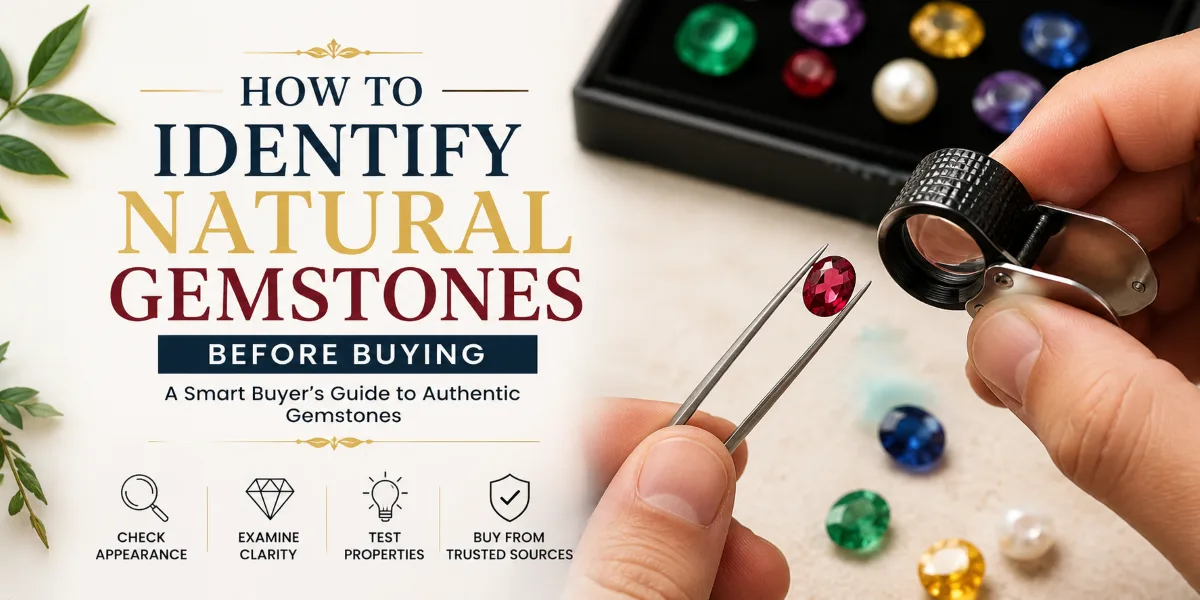
How to Identify Natural Gemstones Before Buying
Natural gemstones are valued for their beauty, rarity, durability, and unique characteristics. Whether you are purchasing a ruby, emerald, sapphire, aquamarine, opal, or another gemstone, it is important to understand what you are buying before making a purchase. With treated, synthetic, and imitation stones available in the market, buyers should take a few important steps to verify authenticity and quality.
Understand What “Natural” Means
A natural gemstone is formed through geological processes in the earth rather than being manufactured in a laboratory. Natural gemstones can still undergo certain treatments to improve their appearance or durability, so “natural” does not necessarily mean “untreated.” A reputable seller should clearly disclose whether a gemstone has been treated.
Check the Gemstone Certification
One of the most reliable ways to verify a gemstone is through an independent gemological certificate. A certificate can provide information about the gemstone’s identity, weight, measurements, colour, and, where applicable, treatments or other characteristics.
When purchasing a valuable gemstone, ask the seller for a certificate from a recognized gemological laboratory and check that the certificate details correspond with the gemstone being offered.
Examine the Colour and Appearance
Natural gemstones can have variations in colour, inclusions, and internal characteristics. These features can occur naturally during the gemstone’s formation and may help distinguish one stone from another.
However, appearance alone cannot prove that a gemstone is natural. Some synthetic and treated gemstones can look extremely similar to natural stones, so visual inspection should be combined with professional testing.
Look for Natural Inclusions
Many natural gemstones contain tiny internal features known as inclusions. These may include mineral crystals, fine lines, clouds, or other natural characteristics.
A completely flawless gemstone is not automatically fake, but unusual perfection at a very low price can be a reason to ask additional questions. A trained gemologist can examine inclusions using professional equipment and determine whether they are consistent with a natural gemstone.
Consider the Price Carefully
Price can provide an important clue, but it should not be the only method used to identify a gemstone. The value of a gemstone depends on several factors, including species, colour, clarity, carat weight, origin when established, treatments, and overall quality.
If a gemstone is being offered at a price that seems unusually low compared with similar stones, buyers should investigate its certification, treatment status, and seller reputation before purchasing.
Avoid Relying on Simple Home Tests
Many traditional gemstone tests found online can scratch or damage a stone and may not accurately determine whether it is natural. Hardness tests, scratch tests, burning tests, and similar methods should therefore be avoided.
Professional gemological equipment can provide much more reliable information without unnecessarily damaging the gemstone.
Buy From a Reputable Seller
The seller’s reputation is another important factor when buying a natural gemstone. Look for clear product information, transparent treatment disclosure, certification details, return policies, and proper contact information.
A trustworthy seller should be willing to answer questions about the gemstone and provide relevant documentation for valuable stones.
Ask About Treatments
Some natural gemstones are routinely treated to improve colour, clarity, or durability. Treatments are not necessarily a sign that a gemstone is fake, but they should be disclosed to the buyer.
Before purchasing, ask whether the gemstone is natural, whether it has been treated, and whether the treatment is mentioned on the accompanying certificate.
Final Thoughts
Buying a natural gemstone should be based on more than its appearance. Checking certification, understanding treatments, examining quality, comparing prices, and purchasing from a reputable seller can help buyers make a more informed decision.
Whether you are buying a gemstone for jewellery, collecting, or personal use, taking the time to verify its authenticity and documentation can provide greater confidence in your purchase. A professional gemological evaluation is especially recommended for high-value gemstones.
For buyers exploring natural gemstones, choosing a transparent and reputable gemstone seller is an important first step toward finding a genuine stone that matches their requirements and budget.


